The world's first lesbian-led removals company

We are making a film about Shirley's Removals, a removals company founded by women in London in the 1980s.

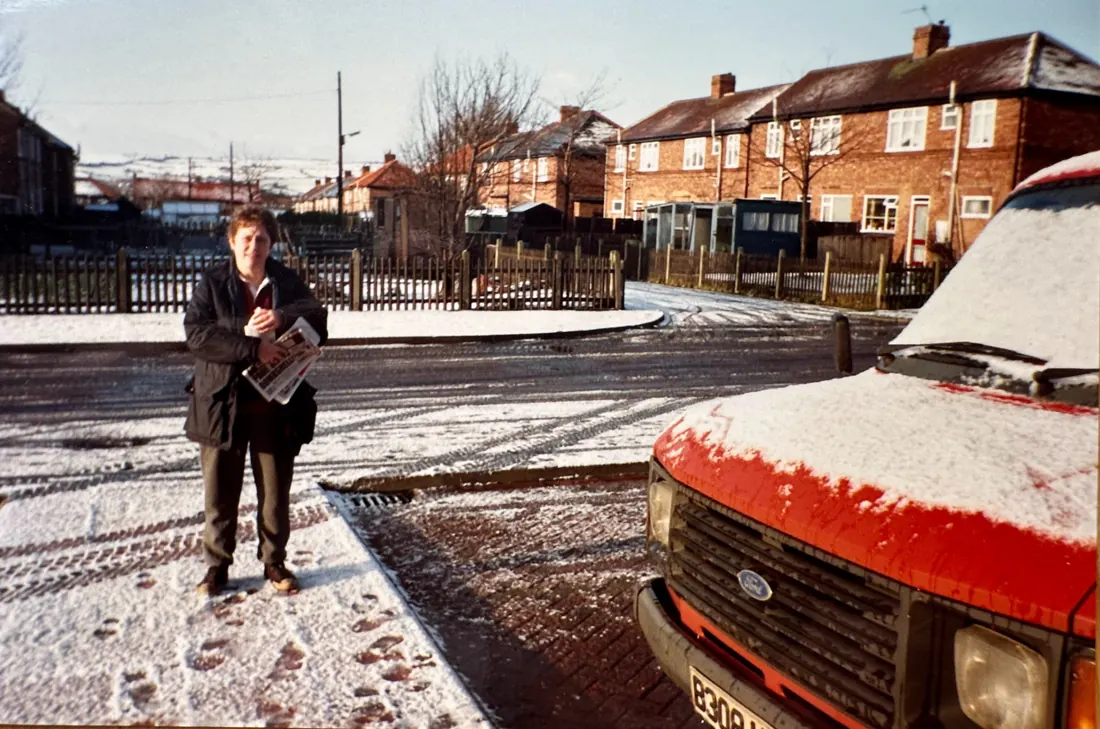
In 1988 Shirley McGah bought a red van and started Lesbus. For decades she moved people across the UK, and the people no one else would.

Their commitment to inclusivity began in 1988, when the company partnered with the Terrence Higgins Trust to support people living with HIV, helping to create one of London's first LGBTQIA+-focused removals services.

Lesbus later became Shirley's Removals, and it's still moving people today, run by new owners, Wendy and Magali.

Shirley holding newspapers on a snowy street of red-brick houses, beside the front of her red van.
Shirley and her original red van for moving people.

Did Shirley's Removals help you move?

We're trying to collect more stories about the company's past and the women who founded it.

We'd love to hear your story.

Whether you knew Shirley, worked for her, or were moved by her, can you share any stories with us? Can you share any photographs or articles?

Or you can tell us about being moved by the company Shirley's Removals in recent years?

  • Tell us about your move. How did it go?
  • Was it a big day?
  • Where did you move from, and to?
  • What was the one precious object being moved?

Share your story

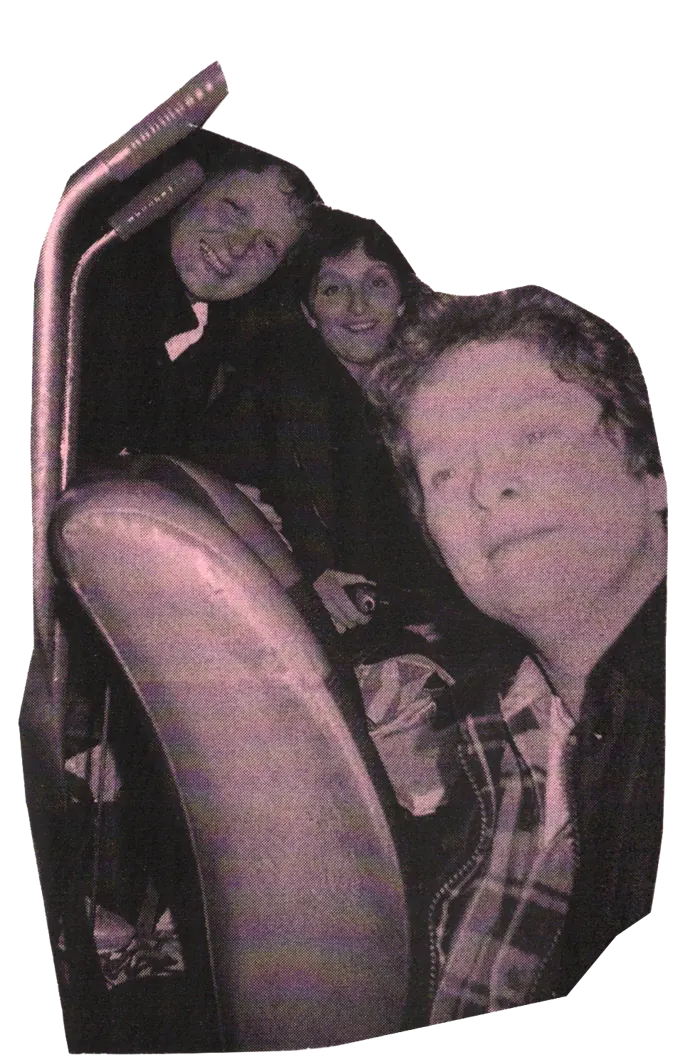
Three women squeezed into the front of the van, grinning at the camera.

Help us finish the film

We are looking for funding to support us to finish the film. We have self-invested into getting this film over the line.

If you can spare a few quid, it will cover one more filming day, hiring a cardboard artist to work with, and commissioning music and graphic work for the film.

If you are in a position to partner with us, please get in touch.

Support the film

Opens our Crowdfunder UK page

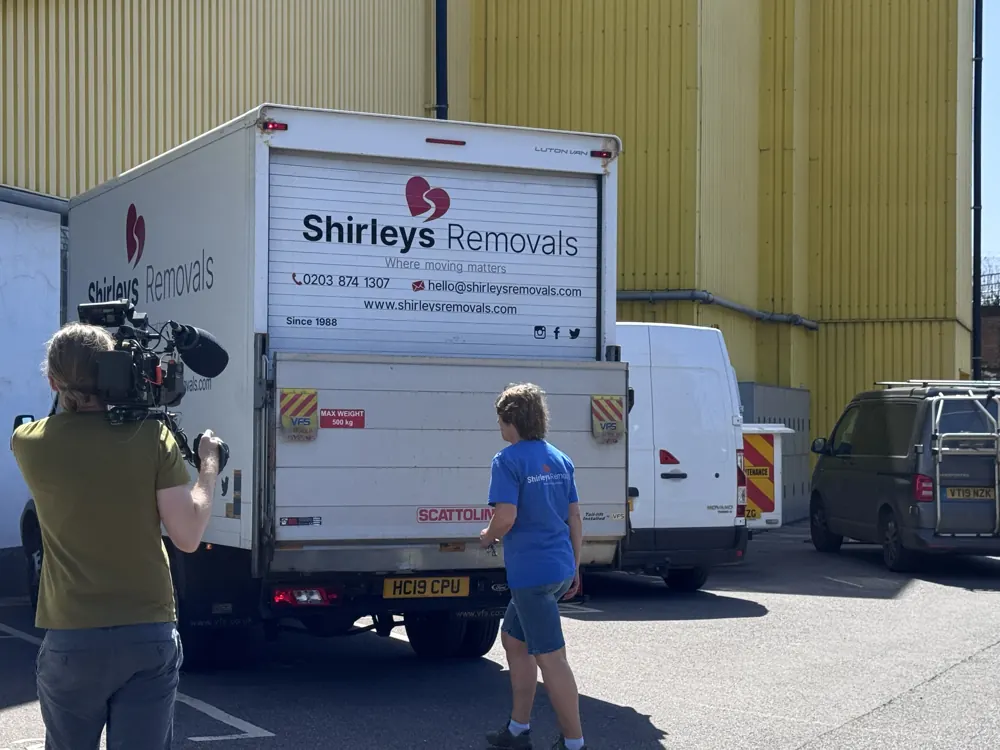
Our camera operator filming as a member of the Shirley's Removals team opens the back of the company's van.

The team

Sarah Elizabeth Drummond

Director

Sarah Elizabeth Drummond is a Scottish writer and director, who founded film production and creative studio Anthro Bricolage. She is a BAFTA x British Film Institute Flare 2025 mentee and was selected for the BFI South West New Writers programme 2025.

Her debut short documentary, Stonewall Postal Action Network, showed in 4 continents, winning East London's LGBTQ+ Film Festival Documentary Award, and was selected for BAFTA-qualifying SQUIFF, amongst several UK LGBTQ+ festivals.

She was awarded an honorary doctorate from the Glasgow School of Art and a Google Fellowship for innovation in technology and democratic innovation. She ran one of the first service design studios in the UK, producing short research films for clients on human rights topics.

Masha Thorpe

Producer

Masha Thorpe is a London-based producer working across narrative and documentary film, promos and commercial content, and was recently selected as part of the BAFTA x BFI Flare Mentoring 2025 cohort.

In 2024, her short Meat Puppet was nominated for Best British Short Film by BIFA, and won the Special Jury Award and the Audience Award at SXSW. Her work for DEADLETTER was nominated for a UKMVA.

Her recent short The Angry Bird, developed with the Netflix Documentary Talent Fund, was nominated for Best Short Documentary at Raindance Film Festival 2025.

She has had work screened at SXSW, Bolton, EIFF and Raindance, and work featured by Stephen Colbert on US television, Hero Magazine and SHOWstudio.

Rouben Freeman

Director of Photography

Rouben Freeman is a Director of Photography with an accomplished background in commercial and corporate filmmaking, including work for Hyatt, Chase Bank, the NHS and Wembley Stadium.

He has worked with producer Pip Piper on his latest films based in the South West, reaching country-wide cinema release.

With a strong editorial sensibility, he is now moving into documentary filmmaking, following the editing of Stonewall Postal Action Network, an award-winning film screened internationally, and is working on the feature film Don't Say Gay, currently in development.

Why now?

The film feels urgent as Shirley's memory slips. We have self-funded and invested in capturing an interview with Shirley to retain any memories she has of the company.

Many LGBTQ+ stories from this period are at risk of being lost. We are a team of people interested in archiving these voices, stories and hearts of the people who dedicated their lives to acts of service: a form of activism delivered through support for others.

The world is at risk of losing an important personal story that shows a window into queer life over three decades.

This is a story about kindness, regardless of identity, status, or who you are. Shirley epitomised this, and helped people at their most vulnerable: moving home. It's a principle that Wendy and Magali, who continue the company, pride themselves on continuing.

We think this film is a reminder of the value of kindness, respect and warmth against a backdrop of growing marginalisation.

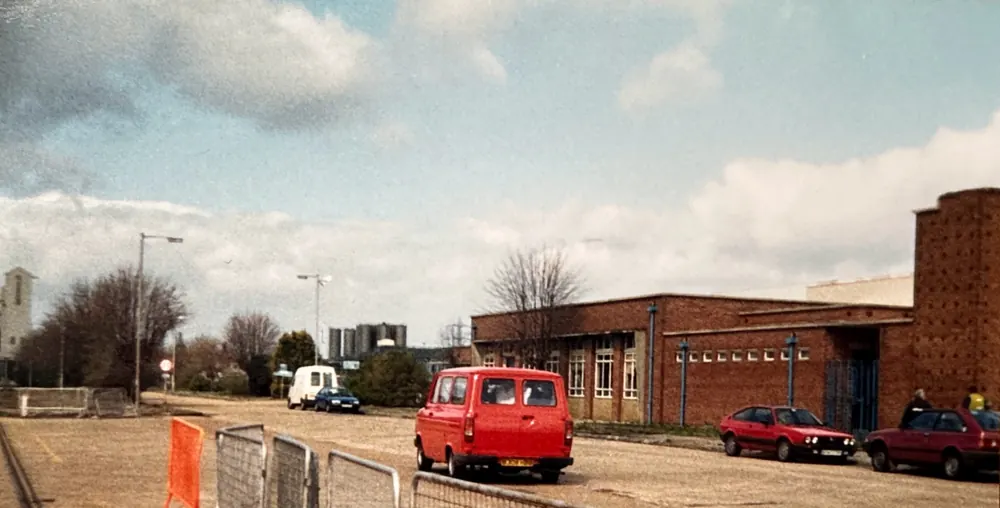
The red van parked outside a brick building.
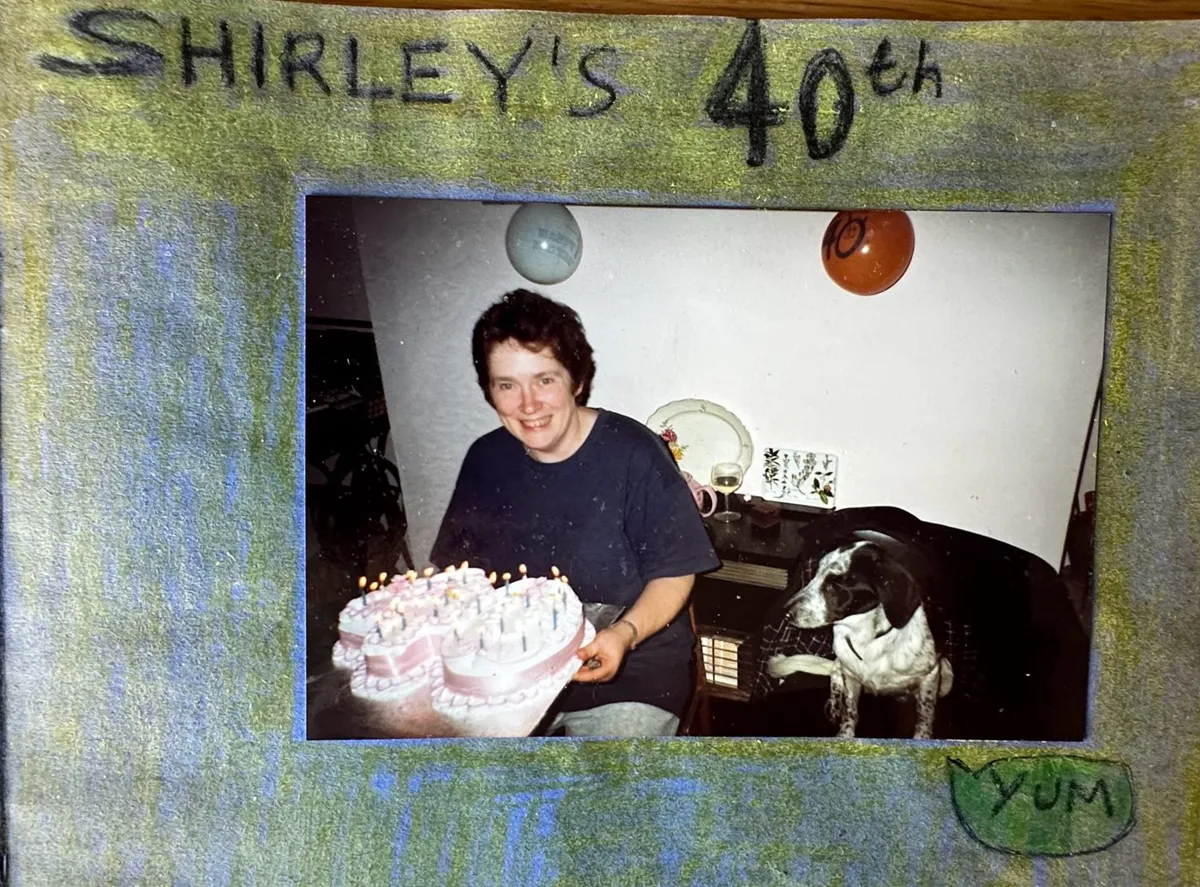
A page from a handmade album titled Shirley's 40th: Shirley smiles behind a heart-shaped birthday cake covered in candles, with a black and white dog beside her.

Artistic vision

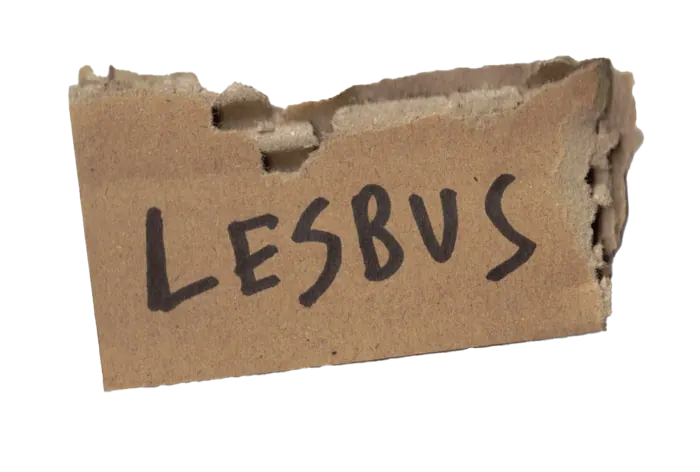
Shirley's Removals uses a DIY zine feeling across the film, accentuated with packaging materials forming the titles, and housing archive material on screen.

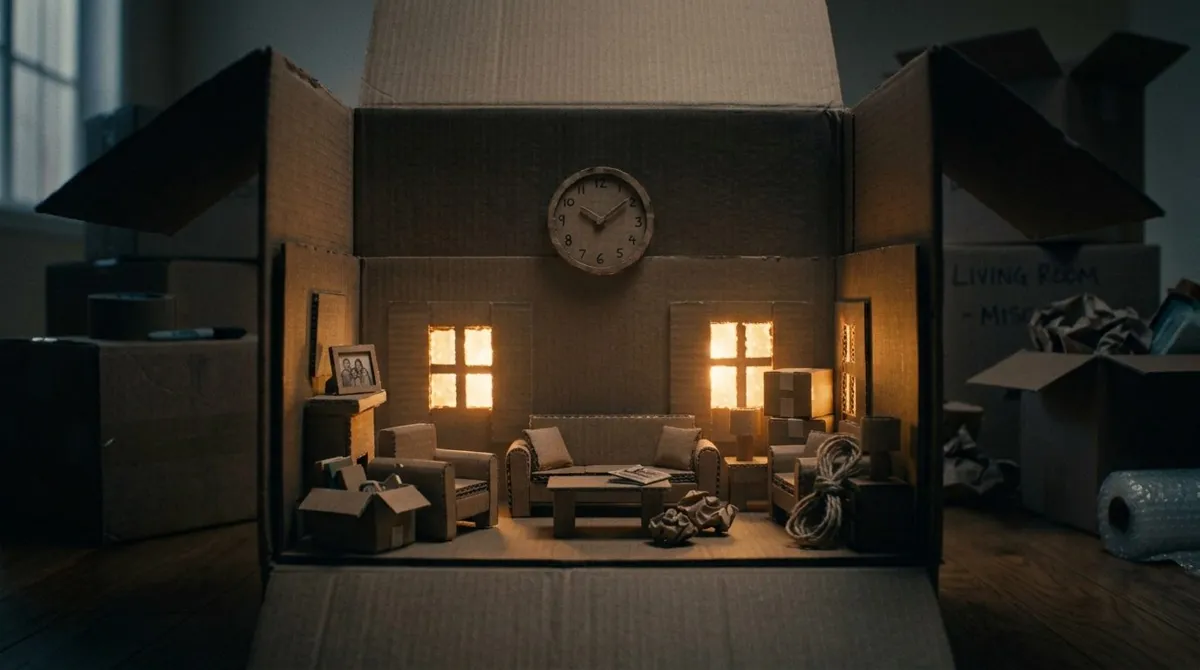
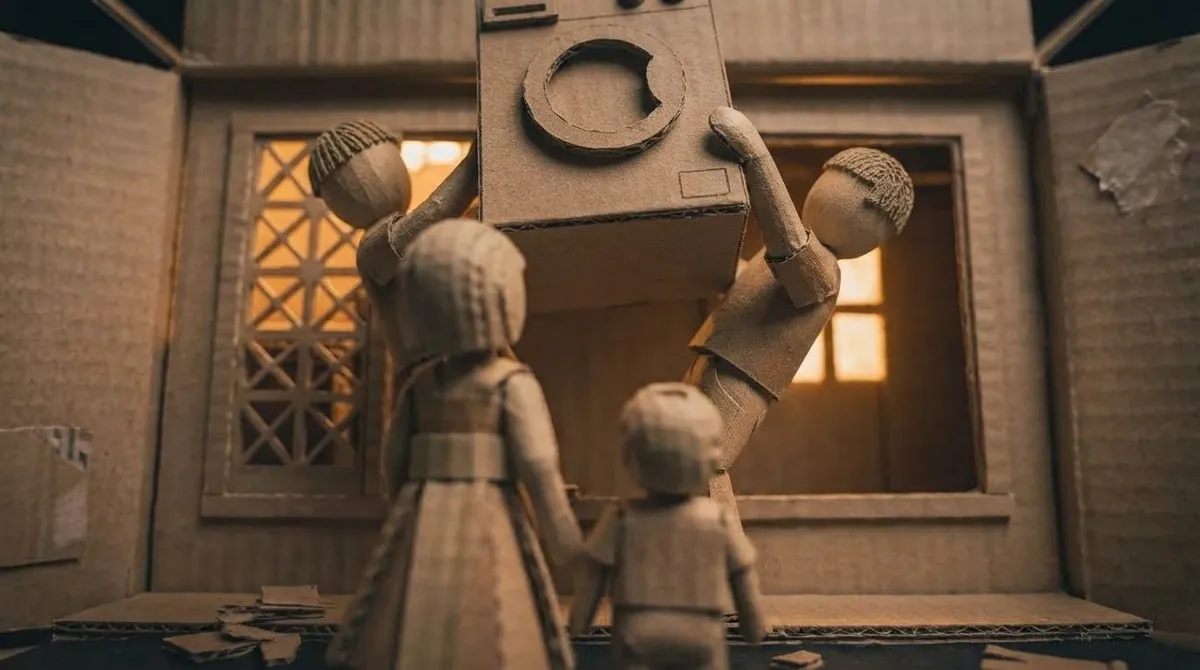
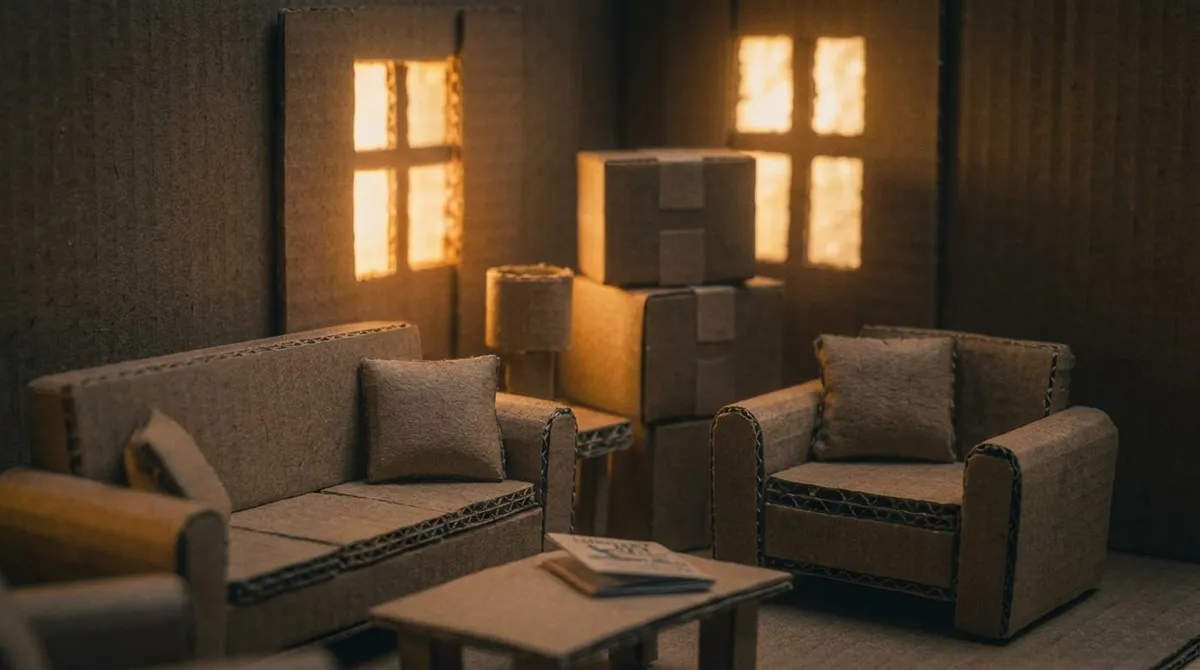
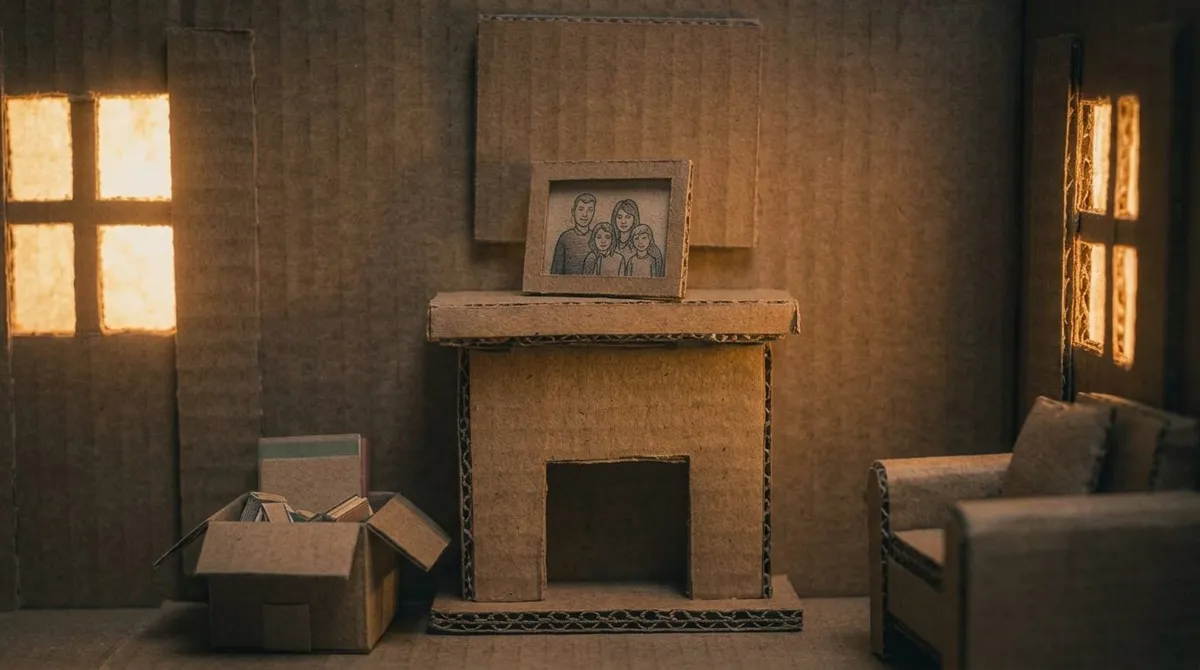
Recollections are brought to life using mini cardboard homes. Using lights, micro movements and close-ups, we back stories inside a world made of packaging materials.

An open cardboard box with a miniature living room built inside it from cardboard: a sofa, armchairs, a clock and glowing windows, among packing boxes.

FAQs

What will you do with my story?

We will listen to it, and be in touch if we'd like to follow up with an interview. We've asked you to accept a contribution agreement so we can use what you've sent in the film, or to advertise the film on social media.

What kind of stories are you looking for?

Stories of Shirley's Removals, past and present. Please send us anything, including photographs and articles you might have hidden away.

If you select my story, will I be filmed?

We may want to film you, and would work with you to find a suitable location. It's more likely we'll record an audio interview with you, as we want to play many of the stories over cardboard reconstructions.